


In the vibrant heart of Taipei City, where skyscrapers and ancient temples stand tall, there exists a cultural beacon that celebrates the rich heritage of Taiwan's indigenous peoples - the Indigenous Peoples Cultural Center, also known as "原民大樓."
Editor's Notes: Published today, "原民大樓:台北的原住民文化中心" is an essential read for anyone seeking to delve into the vibrant tapestry of Taiwan's indigenous cultures. This guide provides an in-depth exploration of the center's significance, showcasing its role in preserving, promoting, and revitalizing the cultural traditions of Taiwan's indigenous communities.
We understand the need for reliable and comprehensive information when it comes to understanding the cultural diversity of Taiwan. Through meticulous analysis and extensive research, we have compiled this guide to empower our readers with the knowledge they need to appreciate and engage with "原民大樓:台北的原住民文化中心."
| Key Differences | |
|---|---|
| Other Cultural Centers in Taipei | Indigenous Peoples Cultural Center |
| Focus on specific cultural themes (e.g., Chinese, Japanese) | Solely dedicated to preserving and promoting indigenous cultures |
| Limited representation of indigenous perspectives | Provides a platform for indigenous voices and narratives |
| Passive exhibition style | Interactive and immersive experiences that engage visitors |
Transitioning to the main article topics, we will delve into the historical significance, architectural design, and cultural programming of "原民大樓:台北的原住民文化中心." Stay tuned for an enlightening journey into the heart of Taiwan's indigenous culture.
FAQs: Taipei's Indigenous Culture Center
This section is dedicated to addressing frequently asked questions and providing detailed answers to enhance the understanding of Taipei's Indigenous Culture Center, a hub of Indigenous culture and heritage.
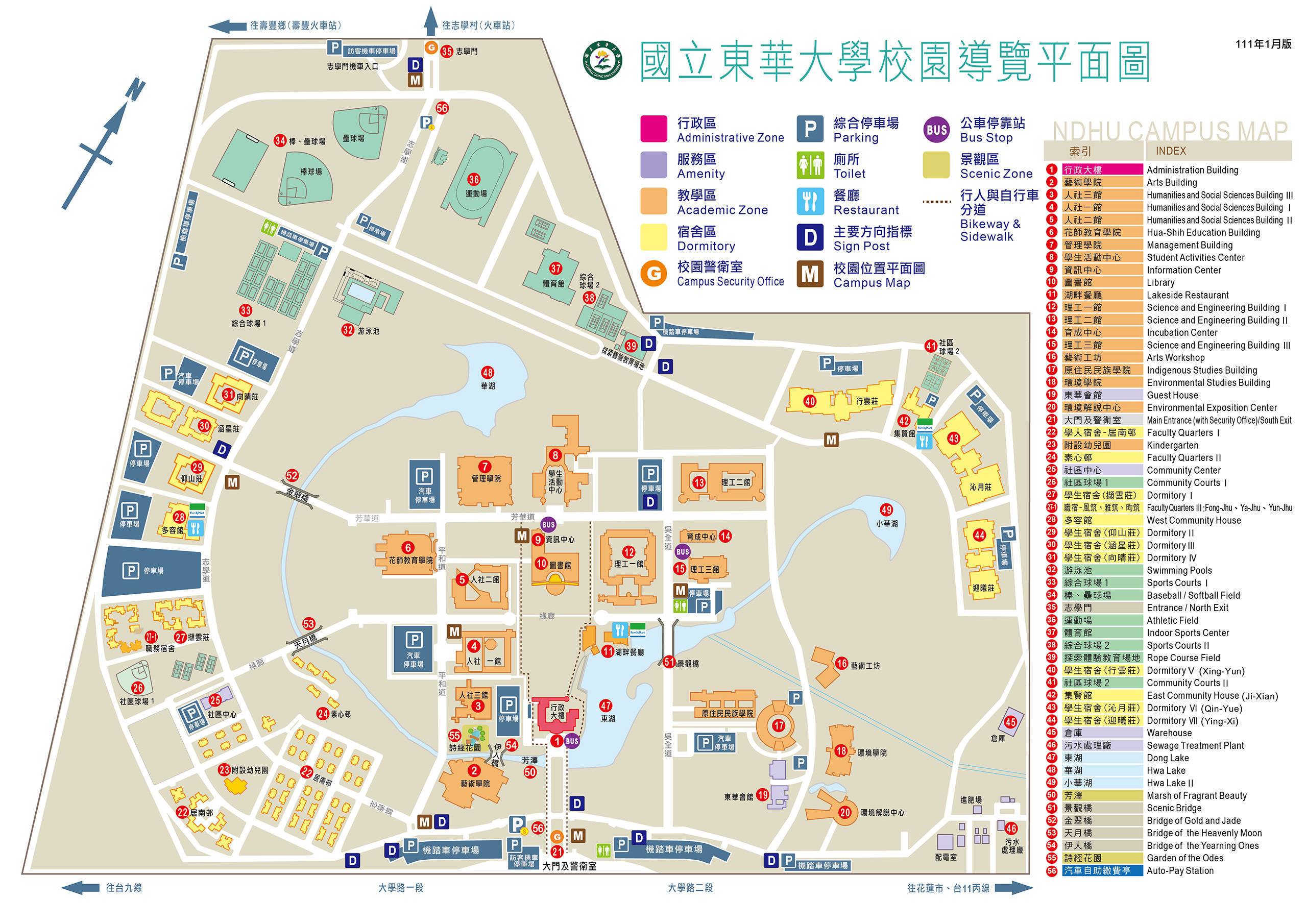
校園導覽 - NDHU - Source www.ndhu.edu.tw
Question 1: What are the operating hours of the Indigenous Culture Center?
The Indigenous Culture Center is open daily from 9:00 AM to 5:00 PM, providing ample time for visitors to explore its exhibitions and engage with the exhibits.
Question 2: Is admission to the Indigenous Culture Center free?
Yes, admission to the Indigenous Culture Center is complimentary for all visitors. This allows everyone to freely access the wealth of Indigenous knowledge and immerse themselves in the rich cultural heritage showcased within its walls.
Question 3: What type of exhibitions are featured at the Indigenous Culture Center?
The Indigenous Culture Center houses a diverse range of exhibitions that delve into various aspects of Indigenous culture. These may include historical artifacts, traditional crafts, contemporary artworks, and interactive displays that provide an engaging and informative experience.
Question 4: Are there guided tours available at the Indigenous Culture Center?
Yes, guided tours are offered at the Indigenous Culture Center, providing visitors with a deeper understanding of the exhibitions and their cultural significance. These tours are led by knowledgeable guides who share insights and anecdotes, enriching the overall experience.
Question 5: Are there educational programs or workshops offered at the Indigenous Culture Center?
Yes, the Indigenous Culture Center regularly organizes educational programs and workshops that aim to share Indigenous knowledge and skills. These programs may include traditional crafts, music, dance, and language lessons, offering a hands-on opportunity to engage with Indigenous culture.
Question 6: Are there any facilities available within the Indigenous Culture Center?
The Indigenous Culture Center is equipped with various facilities to enhance the visitor experience. These include a library, an auditorium for performances and events, and a cafe serving light refreshments and snacks, making it a well-rounded destination for cultural immersion.
We hope these answers have provided a comprehensive overview of the Indigenous Culture Center. Should you have any further inquiries, please do not hesitate to contact the center directly for more information.
Embark on a journey of discovery and delve into the vibrant tapestry of Indigenous culture at Taipei's Indigenous Culture Center, a testament to the rich heritage and living traditions of Taiwan's Indigenous communities.
Tips
Explore 原民大樓:台北的原住民文化中心 to immerse in the diverse cultures of Taiwan's indigenous peoples.
Tip 1: Learn About Indigenous History and Culture:
Delve into the fascinating history and traditions of Taiwan's indigenous communities through interactive exhibits and educational displays.
Tip 2: Discover Traditional Craftsmanship:
Witness skilled artisans showcasing their mastery of weaving, woodcarving, and other traditional crafts, providing a glimpse into the cultural heritage of these communities.
Tip 3: Engage in Cultural Performances:
Attend mesmerizing dance, music, and storytelling performances that bring to life the vibrant cultural expressions of Taiwan's indigenous peoples.
Tip 4: Savor Indigenous Cuisine:
Delight in authentic dishes inspired by the traditional culinary practices of different indigenous communities, showcasing the unique flavors and ingredients of their cultures.
Tip 5: Shop for Indigenous Products:
Support local artisans by purchasing handmade crafts, textiles, and other products that showcase the creativity and artistry of these indigenous communities.
Summary of key takeaways or benefits:
Visiting 原民大樓:台北的原住民文化中心 is an enriching experience that offers a deep appreciation for Taiwan's indigenous cultures, promoting understanding, respect, and the preservation of these vibrant traditions.
Transition to the article's conclusion:
Immerse yourself in the captivating world of Taiwan's indigenous peoples at 原民大樓:台北的原住民文化中心, a testament to their enduring cultural legacy and the diverse tapestry that makes up Taiwanese society.
The Indigenous Peoples Cultural Center: A Center of Indigenous Culture in Taipei
The Indigenous Peoples Cultural Center, commonly known as "The Indigenous Peoples Building", in Taipei City is a cultural institution dedicated to the preservation and promotion of the diverse indigenous cultures of Taiwan. It serves as a central hub for indigenous artists, community members, and visitors to engage with the richness of Taiwan's indigenous heritage. The Indigenous Peoples Building encompasses several key aspects, including:
- Cultural Heritage: Preserving and showcasing the cultural traditions, languages, and art forms of Taiwan's indigenous peoples.
- Educational Resource: Providing educational programs, workshops, and exhibitions on indigenous history, culture, and contemporary issues.
- Community Space: Fostering a sense of community among indigenous peoples living in Taipei and serving as a gathering place for cultural events and activities.
- Artistic Platform: Supporting and showcasing the works of indigenous artists, providing a platform for their creative expression and cultural exchange.
- Research Center: Conducting research on indigenous cultures, languages, and arts, contributing to the preservation and revitalization of indigenous knowledge.
- Tourism Destination: Attracting visitors to experience the vibrant indigenous cultures of Taiwan, promoting cultural understanding and appreciation.
These aspects of the Indigenous Peoples Cultural Center collectively contribute to its mission of preserving, promoting, and celebrating the diverse indigenous cultures of Taiwan. Through its educational programs, community outreach, and artistic endeavors, the center plays a vital role in fostering cultural pride, strengthening indigenous identity, and promoting intercultural understanding. It serves as a beacon of indigenous culture in Taipei, bridging the gap between indigenous communities and the broader society.
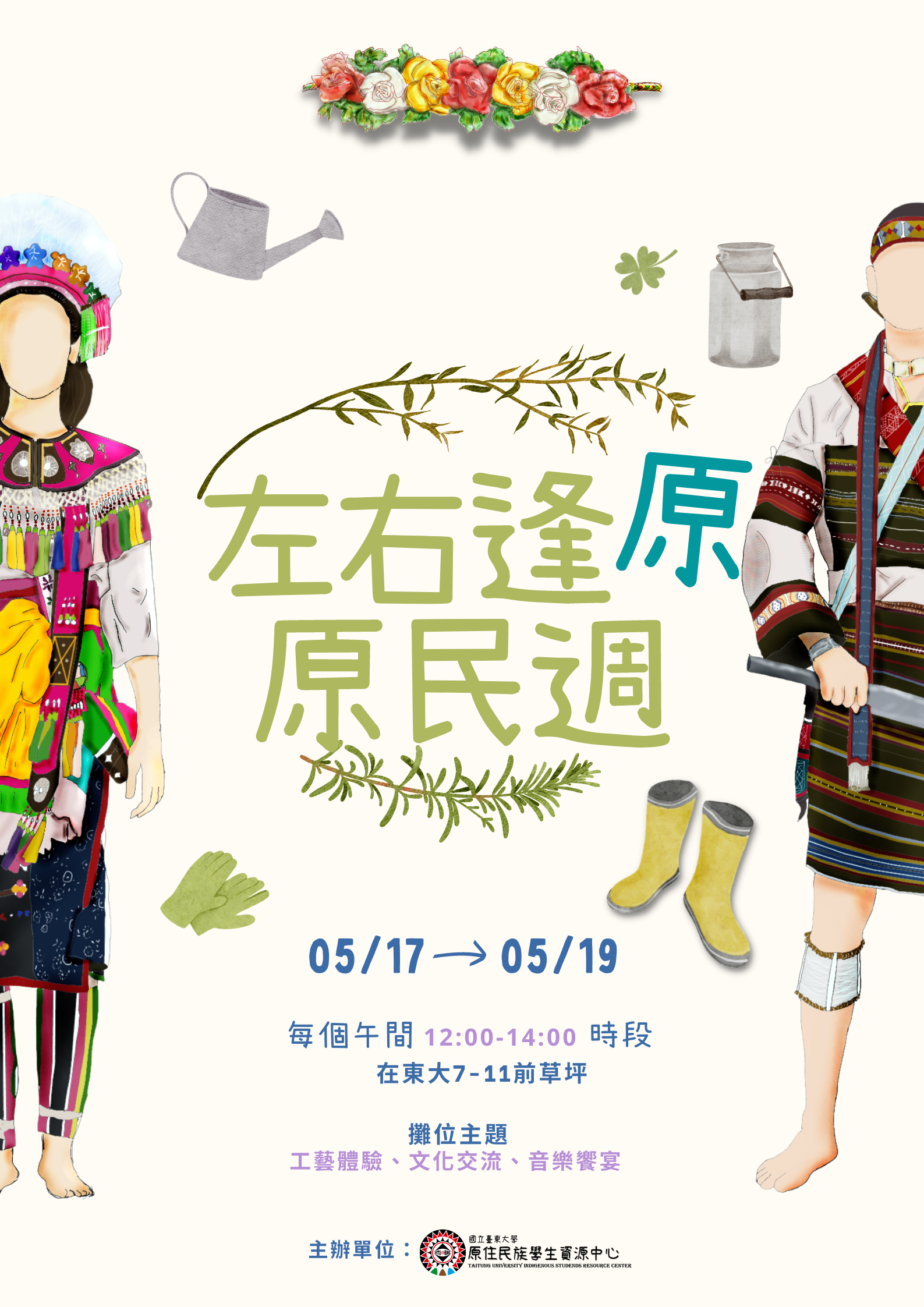
【原資中心】『左右逢原 原民週』原民週活動 - 國立臺東大學原住民學生資源中心 - Source isrc.nttu.edu.tw

台灣原住民的分布圖 @ 米禮鹿 :: 痞客邦 - Source www.pinterest.com
原民大樓:台北的原住民文化中心
The "原民大樓:台北的原住民文化中心", standing tall as a testament to the vibrant culture of Taiwan's indigenous peoples, plays a pivotal role in preserving, promoting, and celebrating their unique heritage. This cultural center serves as a hub for showcasing the diverse traditions, arts, and languages of Taiwan's 16 officially recognized indigenous groups. It offers a platform for cultural exchange, fostering mutual understanding and appreciation between indigenous and non-indigenous communities. Through educational programs, exhibitions, and events, the "原民大樓:台北的原住民文化中心" actively engages the public, ensuring the continuity and revitalization of indigenous cultures in the urban context of Taipei.

原住民插畫 - 王梓婷的工作室作品 - Source case.518.com.tw
The establishment of the "原民大樓:台北的原住民文化中心" marked a significant milestone in the recognition and empowerment of indigenous peoples in Taiwan. It serves as a physical manifestation of their cultural identity, providing a dedicated space for indigenous communities to gather, share knowledge, and connect with their roots.
Beyond its cultural significance, the "原民大樓:台北的原住民文化中心" holds practical importance as well. It provides essential services to the indigenous community, including language revitalization programs, traditional arts workshops, and cultural heritage preservation initiatives. By supporting the cultural and social well-being of indigenous peoples, the center contributes to their overall empowerment and integration into Taiwanese society.
In conclusion, the "原民大樓:台北的原住民文化中心" stands as a beacon of cultural preservation and celebration for Taiwan's indigenous peoples. Its mission to promote understanding, foster inclusivity, and empower indigenous communities is essential for maintaining the rich cultural tapestry of Taiwan.
| Key Aspect | Significance |
|---|---|
| Cultural Preservation | Safeguarding and transmitting indigenous traditions, arts, and languages |
| Community Hub | Providing a space for indigenous communities to connect, share, and celebrate |
| Education and Outreach | Promoting cultural understanding and fostering mutual respect |
| Empowerment and Recognition | Enhancing indigenous visibility and supporting their cultural rights |
